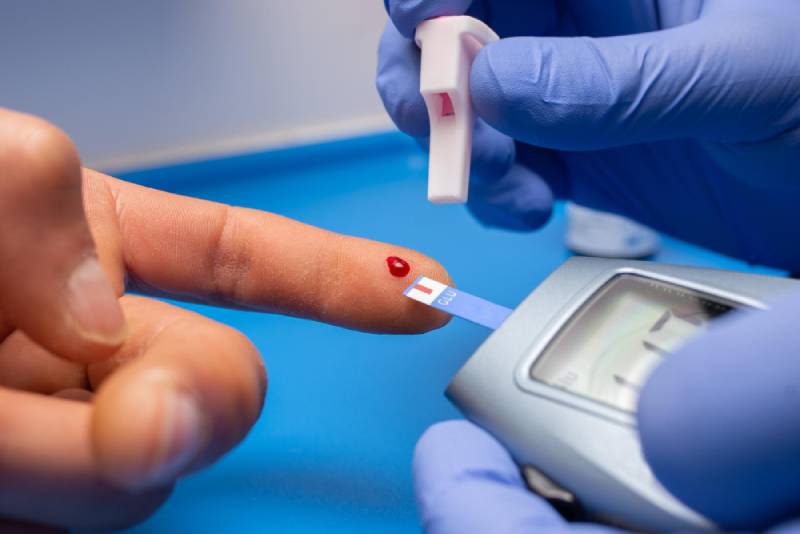
High blood sugar, also known as hyperglycemia, occurs when the body does not produce enough insulin or cannot use it correctly. Many people may have high blood sugar for a long time without realizing it because the symptoms usually develop slowly.
Understanding the early symptoms can help you detect diabetes before it leads to serious health problems. Here are ten common warning signs that your blood sugar may be higher than normal.
1. Frequent Urination
When blood sugar levels rise, the kidneys try to remove the excess sugar through urine. This leads to urinating more often than usual, especially at night.
2. Excessive Thirst
Because the body loses more fluids due to frequent urination, you may feel constantly thirsty even after drinking enough water.
3. Increased Hunger
If glucose is not able to enter the cells, the body does not get enough energy. This can cause increased hunger or eating more than usual, even after meals.
4. Tiredness and Weakness
When the body cannot properly convert sugar into energy, you may feel tired all the time, especially after eating a meal.
5. Blurred Vision
High blood sugar can cause the lens of the eye to swell with fluid. This leads to temporary blurry or unclear vision.
6. Slow Healing of Wounds
Excess sugar in the blood affects blood circulation and damages nerves. As a result, cuts, bruises or infections may take longer to heal.
7. Unexplained Weight Loss
Despite eating normally or even more than usual, the body starts burning fat and muscle for energy instead of using glucose. This leads to sudden weight loss, mostly seen in uncontrolled diabetes.
8. Tingling or Numbness in Hands and Feet
This is an early sign of nerve damage caused by high blood sugar. You may feel tingling, numbness or a burning sensation in the hands and feet.
9. Frequent Infections
High blood sugar weakens the immune system. It increases the risk of skin infections, gum infections, urinary tract infections and recurrent yeast infections, particularly in women.
10. Dry Mouth and Dry Skin
Loss of body fluids due to frequent urination can cause dryness of the mouth, cracked lips and itchy or dry skin.
Who Is at Higher Risk
You should be cautious if you have any of the following risk factors:
- Family history of diabetes
- Overweight or excess belly fat
- Lack of physical activity
- Hormonal conditions such as PCOS
- Age above 40 years
- High blood pressure or high cholesterol levels
Even younger individuals can develop diabetes due to unhealthy lifestyle habits.
When to Get Tested
If you notice two or more of the above symptoms, you should get your blood sugar checked. Common tests include:
- Fasting blood sugar
- Post-meal blood sugar
- HbA1c test which shows the three-month average sugar level
Early testing and treatment can prevent complications such as heart disease, kidney damage, nerve damage and vision problems.
How to Control High Blood Sugar
Some helpful lifestyle tips include:
- Avoid sugary foods and refined carbohydrates
- Eat more vegetables, whole grains and high-fiber foods
- Exercise at least 30 minutes daily
- Maintain a healthy weight
- Drink enough water
- Follow your doctor’s advice regarding medicines and diet
Final Conclusion
High blood sugar may not show strong symptoms in the beginning, but the signals are visible if you pay attention. Recognizing these early signs and taking timely medical advice can protect your health and prevent long-term risks.
If you suspect high blood sugar, do not delay testing. Early management leads to better health and fewer complications in the future.