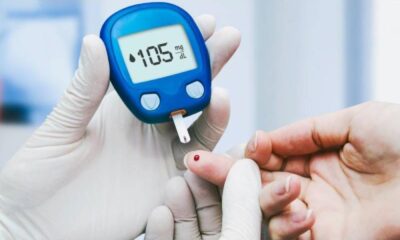
Diabetes is becoming one of the most common lifestyle-related health conditions worldwide. With rising stress levels, unhealthy diets, and sedentary routines, the risk of developing type 2 diabetes is increasing rapidly. The good news is that diabetes can often be prevented or delayed by adopting healthy daily habits.
By making small but consistent lifestyle changes, you can significantly lower your risk of diabetes and improve overall well-being. Here are some healthy habits that play a crucial role in diabetes prevention.
1. Maintain a Balanced and Nutritious Diet
A healthy diet is the foundation of diabetes prevention. Eating the right foods helps regulate blood sugar levels and improves insulin sensitivity.
Healthy eating habits include:
- Choosing whole grains instead of refined carbohydrates
- Eating plenty of vegetables, especially leafy greens
- Including lean proteins such as pulses, eggs, fish, and nuts
- Limiting sugary foods, sweetened beverages, and processed snacks
Focus on foods with a low glycemic index (GI), as they cause a slower rise in blood sugar levels and help maintain steady energy throughout the day.
2. Control Portion Sizes
Even healthy foods can lead to weight gain if eaten in large quantities. Portion control helps manage calorie intake and prevents unnecessary spikes in blood sugar.
Simple portion control tips:
- Eat smaller meals at regular intervals
- Avoid overeating, especially late at night
- Use smaller plates to manage serving sizes
Mindful eating also helps you recognize hunger and fullness cues more effectively.
3. Stay Physically Active Every Day
Regular physical activity is one of the most effective ways to reduce the risk of diabetes. Exercise helps your body use insulin more efficiently and keeps blood sugar levels under control.
Recommended activities include:
- Brisk walking for at least 30 minutes a day
- Yoga or stretching exercises
- Cycling, swimming, or light jogging
- Strength training a few times a week
Consistency is more important than intensity. Even moderate daily activity can make a big difference.
4. Maintain a Healthy Body Weight
Being overweight or obese significantly increases the risk of type 2 diabetes. Losing even a small amount of weight can improve insulin sensitivity and reduce blood sugar levels.
Healthy weight management involves:
- Balanced eating habits
- Regular exercise
- Avoiding crash diets or extreme weight loss methods
Sustainable lifestyle changes are more effective than quick fixes.
5. Reduce Sugar and Refined Carbohydrate Intake
Excess sugar and refined carbohydrates can overload the body with glucose, increasing the risk of insulin resistance.
Try to:
- Replace white bread and rice with whole-grain options
- Choose natural sweeteners in moderation
- Avoid packaged and processed foods high in hidden sugars
Reading food labels can help you make smarter choices.
6. Get Adequate Sleep
Poor sleep quality and insufficient sleep can negatively affect blood sugar regulation and hormone balance.
Healthy sleep habits include:
- Getting 7–8 hours of sleep daily
- Maintaining a regular sleep schedule
- Avoiding screens before bedtime
Good sleep supports metabolism and reduces the risk of lifestyle diseases like diabetes.
7. Manage Stress Effectively
Chronic stress can raise blood sugar levels and increase the risk of diabetes. Stress hormones interfere with insulin function and promote unhealthy eating habits.
Stress management techniques:
- Meditation and deep breathing exercises
- Yoga and mindfulness practices
- Spending time outdoors or with loved ones
Managing stress is essential for both mental and physical health.
8. Stay Hydrated
Drinking enough water helps regulate blood sugar levels and supports overall metabolic health.
Tips for staying hydrated:
- Drink water throughout the day
- Avoid sugary drinks and sodas
- Choose herbal teas or infused water as alternatives
Proper hydration also helps control appetite and supports digestion.
9. Avoid Smoking and Limit Alcohol
Smoking increases insulin resistance, while excessive alcohol intake can affect blood sugar control.
To reduce diabetes risk:
- Quit smoking completely
- Limit alcohol consumption or avoid it altogether
These changes also lower the risk of heart disease and other chronic conditions.
10. Get Regular Health Checkups
Early detection of high blood sugar levels can prevent diabetes from progressing. Regular health screenings help identify risk factors early.
Important tests include:
- Fasting blood sugar test
- HbA1c test
- Routine health checkups
Monitoring your health empowers you to take timely preventive action.
Conclusion
Diabetes prevention is not about drastic changes but about adopting healthy habits consistently. A balanced diet, regular physical activity, proper sleep, stress management, and routine health checkups can significantly lower your risk of diabetes.
By making conscious lifestyle choices today, you can protect your health, improve your quality of life, and reduce the chances of developing diabetes in the future.