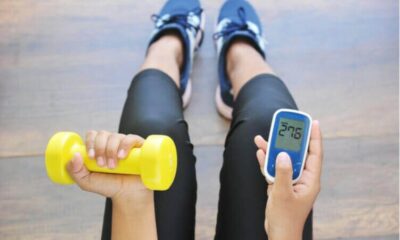
Regular physical activity plays a crucial role in controlling blood sugar levels and managing diabetes. Exercise not only helps lower glucose in the blood but also improves overall health, reduces the risk of complications, and supports long-term diabetes management. Understanding how physical activity affects blood sugar can help people make better choices for their health.
How Exercise Affects Blood Sugar
When we exercise, muscles use glucose for energy. This process lowers blood sugar levels naturally. There are several ways exercise benefits people with high blood sugar or diabetes:
- Increases insulin sensitivity: Muscles become more efficient at using available insulin, helping blood sugar move into cells.
- Reduces glucose levels: Physical activity helps remove excess sugar from the blood.
- Supports weight management: Maintaining a healthy weight helps control blood sugar and reduces the risk of type 2 diabetes.
- Improves cardiovascular health: Exercise strengthens the heart and improves circulation, reducing diabetes-related risks.
Types of Exercises and Their Benefits
Different types of exercise affect blood sugar in unique ways. A balanced routine can give the best results.
1. Aerobic Exercise
Activities such as walking, jogging, cycling, and swimming increase heart rate and use glucose for energy.
- Helps lower blood sugar immediately and over time
- Improves heart and lung function
2. Strength Training
Weight lifting or resistance exercises build muscle mass.
- Muscles burn more glucose even at rest
- Increases insulin sensitivity
3. Flexibility and Balance Exercises
Yoga, stretching, and Tai Chi improve flexibility and reduce stress.
- Reduces stress hormones that can raise blood sugar
- Improves overall physical function and balance
4. High-Intensity Interval Training (HIIT)
Short bursts of intense activity followed by rest periods
- Helps improve insulin sensitivity quickly
- Can be more time-efficient than traditional workouts
Best Practices for Exercising with Diabetes
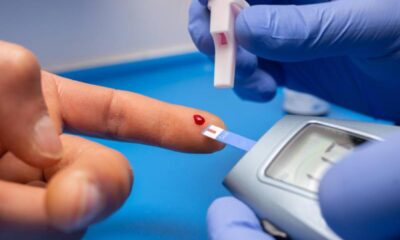
- Check blood sugar levels: Measure before and after exercise to prevent low or high blood sugar.
- Stay hydrated: Drink enough water before, during, and after activity.
- Eat appropriately: A small snack may be needed to avoid low blood sugar during workouts.
- Wear proper footwear: Protect feet from injury, especially for those with neuropathy.
- Start slowly: Gradually increase intensity and duration of exercise, especially if new to physical activity.
When to Be Cautious
People with diabetes should be careful if they have:
- Heart disease or high blood pressure
- Severe neuropathy or foot problems
- Uncontrolled high or low blood sugar
- Other chronic medical conditions
Consult a healthcare provider before starting any new exercise routine to ensure safety.
Benefits Beyond Blood Sugar
Exercise not only controls glucose but also:
- Reduces stress and improves mood
- Helps control weight
- Lowers cholesterol and blood pressure
- Reduces risk of diabetes-related complications
Conclusion
Physical activity is a powerful tool in managing blood sugar and preventing or controlling diabetes. A combination of aerobic, strength, flexibility, and high-intensity exercises provides the best results. Consistency is key. Even small amounts of regular activity can lead to noticeable improvements in blood sugar and overall health.
For long-term success, pair exercise with a balanced diet, regular medical check-ups, and healthy lifestyle habits.