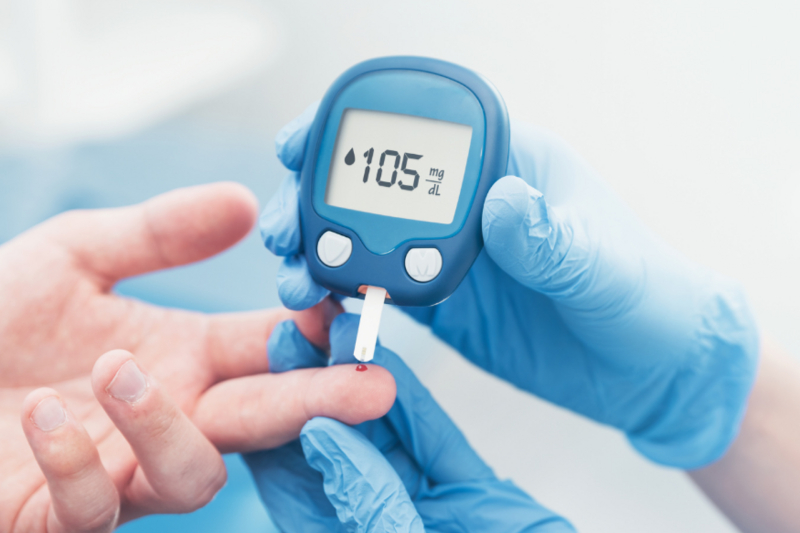
Diabetes is a chronic health condition that affects how your body processes blood sugar (glucose). There are two main types — Type 1 diabetes and Type 2 diabetes. Although both conditions result in high blood sugar levels, their causes, risk factors, and treatment methods are very different.
Understanding the difference between Type 1 and Type 2 diabetes is important for early diagnosis, proper management, and prevention of complications.
What Is Type 1 Diabetes?
Type 1 diabetes is an autoimmune condition. In this type, the body’s immune system mistakenly attacks and destroys insulin-producing cells in the pancreas.
Insulin is a hormone that helps glucose enter the body’s cells to produce energy. Without insulin, blood sugar levels rise quickly.
Key Features of Type 1 Diabetes:
Usually diagnosed in children or young adults
Sudden onset of symptoms
Requires lifelong insulin therapy
Not linked to lifestyle factors
Common Symptoms:
Excessive thirst
Frequent urination
Sudden weight loss
Extreme fatigue
Blurred vision
Type 1 diabetes cannot be prevented and currently has no cure. Daily insulin injections or insulin pumps are required for survival.
What Is Type 2 Diabetes?
Type 2 diabetes is the most common form of diabetes. It occurs when the body becomes resistant to insulin or does not produce enough insulin.
Unlike Type 1, Type 2 diabetes is strongly linked to lifestyle factors such as obesity, poor diet, lack of exercise, and genetics.
Key Features of Type 2 Diabetes:
Usually diagnosed in adults (but increasing in younger people)
Develops gradually
Can often be managed with lifestyle changes
May require oral medications or insulin
Common Symptoms:
Increased hunger
Slow healing wounds
Tingling in hands and feet
Frequent infections
Fatigue
In early stages, symptoms may be mild or unnoticed, which is why regular blood sugar testing is important.
Major Differences Between Type 1 and Type 2 Diabetes
Factor
Type 1 Diabetes
Type 2 Diabetes
Cause
Autoimmune destruction of insulin cells
Insulin resistance
Age of Onset
Usually childhood/young age
Usually adults
Insulin Production
Little or none
Reduced or ineffective
Treatment
Insulin mandatory
Lifestyle + medication
Prevention
Not preventable
Often preventable
Risk Factors Comparison
Type 1 Risk Factors:
Family history
Autoimmune disorders
Genetic predisposition
Type 2 Risk Factors:
Overweight or obesity
Sedentary lifestyle
Family history
High blood pressure
Unhealthy eating habits
Which Is More Dangerous?
Both Type 1 and Type 2 diabetes can lead to serious complications if not managed properly, including:
Heart disease
Kidney damage
Nerve damage
Eye problems
Stroke
However, Type 2 diabetes often goes undiagnosed for years, increasing the risk of complications.
Proper monitoring, healthy diet, regular exercise, and medication adherence are crucial for both types.
Can Type 1 or Type 2 Diabetes Be Cured?
Type 1 diabetes currently has no cure and requires lifelong insulin therapy.
Type 2 diabetes can sometimes go into remission with significant lifestyle changes, weight loss, and proper management.
Remission does not mean cure, but blood sugar levels can return to normal without medication in some cases.
Final Thoughts
The main difference between Type 1 and Type 2 diabetes lies in their cause and treatment approach. Type 1 is an autoimmune condition requiring insulin for life, while Type 2 is largely lifestyle-related and can often be managed or prevented.
Early diagnosis and proper management can help individuals live a healthy and active life with either condition.