Connect with us

Diabetology

Best Diet Plan for Diabetes Management in 2026

Published

on

Best Diet Plan for Diabetes

Diabetes is a global health challenge, and managing it effectively requires a combination of medication, lifestyle changes, and most importantly, a carefully planned diet. As we move into 2026, new research, dietary trends, and technological tools are transforming the way we approach diabetes nutrition. This guide will help you understand the best diet plan for diabetes management in 2026, tailored to modern needs and backed by science.

1. Understanding Diabetes and Its Nutritional Needs

Diabetes occurs when the body cannot regulate blood sugar effectively. This can lead to hyperglycemia, insulin resistance, and complications like heart disease, kidney damage, and neuropathy.

Nutrition plays a crucial role in diabetes management by:

  • Controlling blood sugar spikes
  • Supporting healthy weight
  • Reducing the risk of complications
  • Improving overall metabolic health

Key dietary focus for 2026:

  • Low-glycemic foods
  • Balanced macronutrients (carbs, proteins, healthy fats)
  • High fiber intake
  • Natural anti-inflammatory foods

2. Key Principles of a Diabetes-Friendly Diet

a) Focus on Low-Glycemic Index (GI) Foods

Low-GI foods are digested slowly, preventing blood sugar spikes. Examples include:

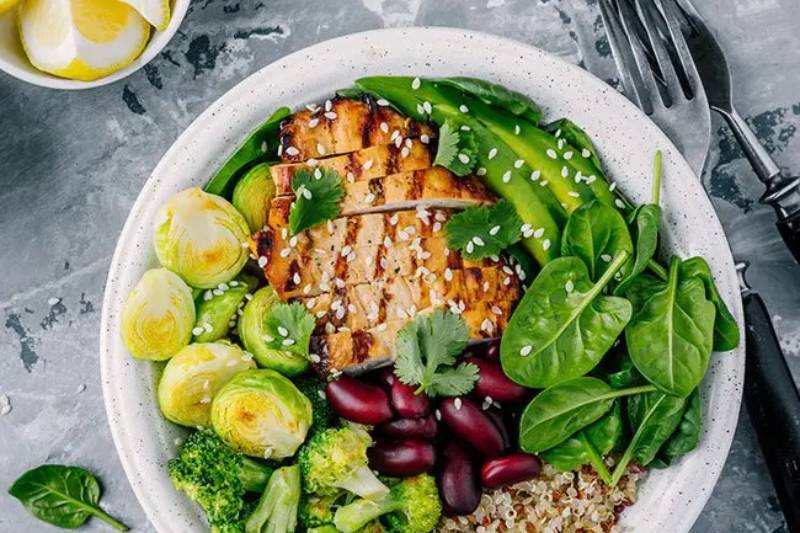
  • Whole grains (quinoa, oats, barley)
  • Legumes (lentils, chickpeas, kidney beans)
  • Non-starchy vegetables (broccoli, spinach, zucchini)
  • Most fruits (berries, apples, pears)

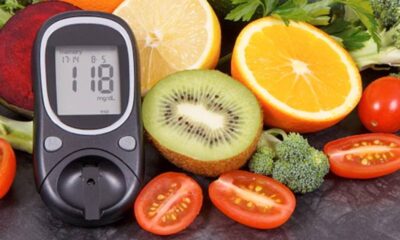
Tip 2026: Smart apps and CGM devices can help track which foods affect your blood sugar the most.

b) Prioritize Fiber

Fiber slows glucose absorption and improves gut health. Aim for:

  • 25–30 grams of fiber per day
  • Sources: whole grains, legumes, vegetables, nuts, seeds

c) Balance Proteins and Healthy Fats

Protein and fat help maintain satiety and stabilize blood sugar.
Healthy options:

  • Lean meats (chicken, turkey)
  • Fish (salmon, mackerel rich in omega-3)
  • Plant-based proteins (tofu, tempeh, lentils)
  • Healthy fats (olive oil, avocado, nuts)

d) Limit Refined Carbs and Sugars

Avoid:

  • White bread, pastries, sugary drinks, candies
  • Processed snacks and fried foods

2026 trend: Natural sweeteners like stevia, monk fruit, and erythritol are gaining popularity as safe sugar substitutes.

e) Portion Control & Meal Timing

  • Use smaller plates to control portions
  • Eat frequent, balanced meals (4–5 times/day)
  • Consider time-restricted eating if suitable, which can improve insulin sensitivity

3. Sample Diabetes Management Diet Plan for 2026

Here’s a modern, balanced daily diet plan designed to manage blood sugar effectively:

MealOptions
BreakfastOats with chia seeds, berries, and unsweetened almond milk; green tea
Mid-Morning Snack10–12 almonds or walnuts; a small apple
LunchGrilled salmon or tofu; quinoa or brown rice; mixed non-starchy veggies; olive oil dressing
Afternoon SnackGreek yogurt with flaxseeds; herbal tea
DinnerLentil soup; sautéed spinach and broccoli; a small portion of whole-grain bread
Optional Night SnackA handful of pumpkin seeds or roasted chickpeas

Tip 2026: Using blood sugar tracking apps or continuous glucose monitors (CGM) can help personalize meals and portion sizes.

4. Superfoods to Include in 2026

Certain foods have shown blood sugar-lowering effects and are highly recommended:

  • Berries – rich in antioxidants and low-GI
  • Leafy greens – spinach, kale, swiss chard
  • Nuts & seeds – almonds, chia, flax
  • Fatty fish – omega-3s for heart health
  • Turmeric – anti-inflammatory properties
  • Garlic & onion – may improve insulin sensitivity

5. Foods to Avoid or Limit

  • White bread, white rice, and refined pasta
  • Sugary drinks, energy drinks, and fruit juices
  • Pastries, cakes, and desserts with added sugar
  • Excessive red meat or processed meats
  • High-sodium and fried foods

6. Lifestyle Tips to Complement the Diet

a) Regular Physical Activity

  • 30 minutes of moderate exercise (walking, cycling, swimming) daily
  • Strength training 2–3 times/week improves insulin sensitivity

b) Hydration

  • Drink at least 2–3 liters of water daily
  • Herbal teas and infused water are good options

c) Stress Management

  • Yoga, meditation, and deep breathing can lower cortisol, which affects blood sugar

d) Sleep

  • 7–9 hours of quality sleep is critical for glucose metabolism

7. Technology & Personalized Nutrition in 2026

2026 brings smarter tools for diabetes nutrition:

  • Continuous Glucose Monitors (CGM) – real-time glucose tracking
  • Nutrition tracking apps – monitor carbs, fiber, and calorie intake
  • AI-driven meal planners – suggest optimal meals based on glucose response
  • Telehealth nutrition counseling – personalized guidance from dietitians

These technologies help patients adapt diet plans to their individual responses, making diabetes management more precise than ever.

Final Thoughts

A balanced, low-glycemic diet, portion control, and lifestyle management are the foundation of effective diabetes care in 2026. Modern tools, personalized tracking, and awareness of the latest nutritional research can help patients manage diabetes more efficiently than ever.

Trending

error: Content is protected !!